Introduction
A store can generate sales and still run out of cash. This happens when advertising, inventory purchases, refunds, and operating expenses require money before sales revenue becomes available.
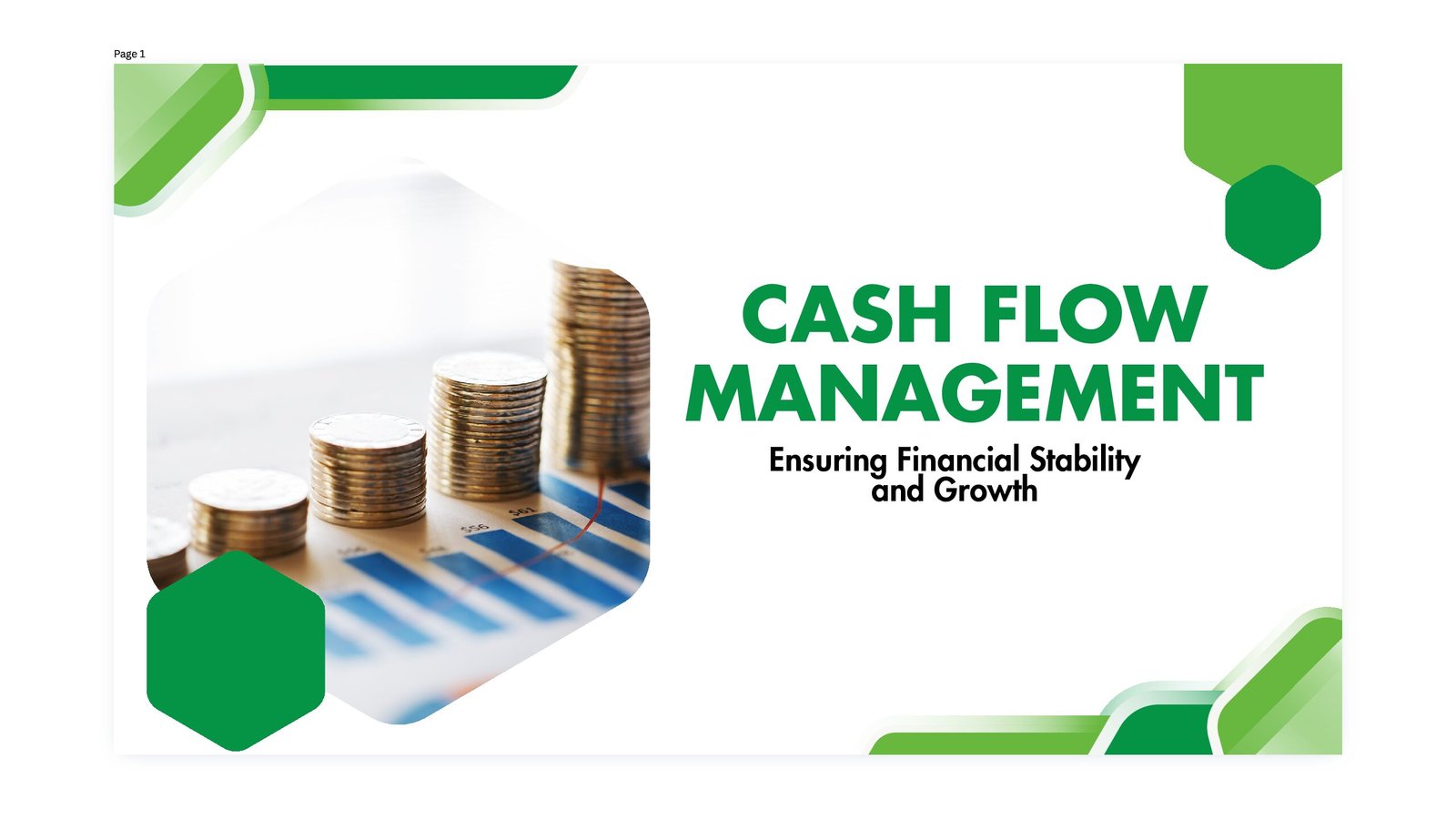
Cash flow planning helps business owners understand when money enters and leaves the business.
1. Separate Revenue From Available Cash
A confirmed order is not always the same as collected cash.
Payment settlement delays, cash-on-delivery remittance schedules, refunds, chargebacks, and platform fees can affect when funds become available.
Maintain a record of expected and actual collection dates.
2. Create a Weekly Cash Flow Forecast
Estimate:
-
Opening available cash
-
Expected collections
-
Supplier payments
-
Advertising expenses
-
Shipping expenses
-
Refunds and returns
-
Salaries and other operating costs
Closing Cash = Opening Cash + Cash Inflows − Cash Outflows
For example:
Opening cash: $2,000
Expected inflows: $3,000
Expected outflows: $3,800
Projected closing cash = $1,200.
This is a forecast, not guaranteed cash.
3. Protect Working Capital
Avoid using all available cash for advertising. Reserve enough for refunds, supplier obligations, and unexpected expenses.
Review campaigns based on collected contribution and fulfillment quality, not only dashboard sales.
4. Use Scenario Planning
Create three forecasts:
-
Expected scenario
-
Lower-sales scenario
-
Higher-cost scenario
This reveals whether the business can handle slower collections or rising return rates.
Conclusion
Cash flow management is essential for sustainable growth. A simple weekly forecast can help prevent avoidable financial pressure and support better decisions.